Premium Granite Characteristics: What Buyers & Importers Should Know

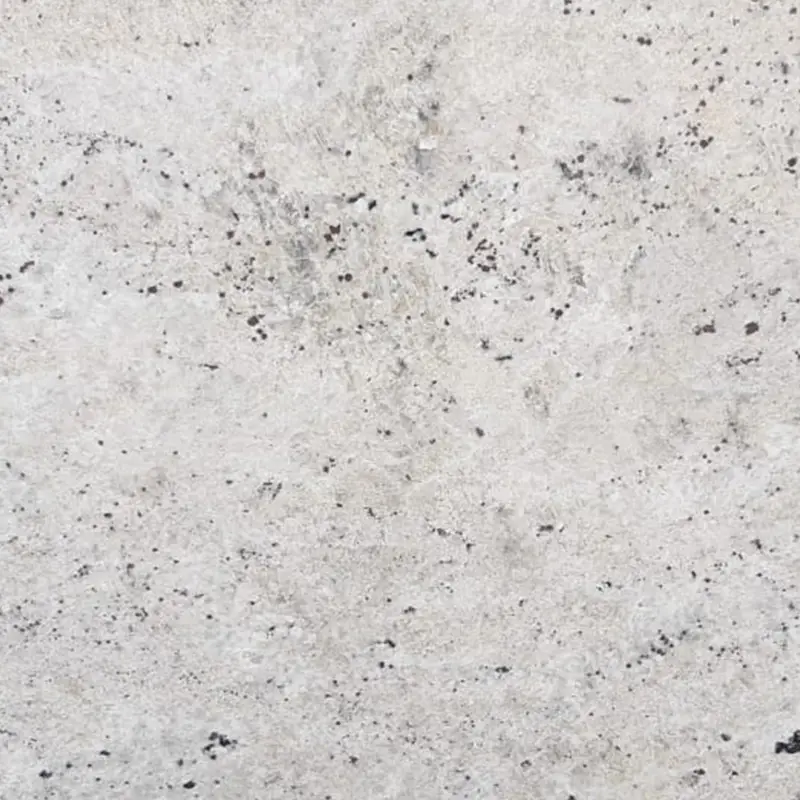
Premium granite is mainly defined by four factors: a unique surface pattern, consistency in color tone, large slab size availability, and quarry origin — not by price alone. Grades run from commercial to mid-grade to high-quality, and the best global supply consistently traces back to Indian quarries. India is home to rare stones like Black Galaxy & Colonial White. This guide breaks down what actually separates premium granite from commercial-grade stone, so buyers can evaluate a slab on substance, not just appearance.
Granite has overtaken marble across most construction applications — flooring, paving, countertops, wall cladding, monuments, and backsplashes — thanks to its resistance to stains and scratches and its wide range of natural colors. But most buyers evaluate granite on looks alone and skip the functional properties that determine how it performs over decades of use. For importers, fabricators, architects, and contractors sourcing at scale, that gap matters a lot more than it does for a single countertop purchase.
What Makes Granite Premium?
Four factors determine whether a granite variety is considered premium:
1. Surface pattern — unique veining, crystal structure, or mineral flecking that doesn’t repeat slab to slab.
2. Color tone — depth and consistency of color across a batch, not just a single striking sample.
3. Slab size — the ability to supply large, consistent slabs without excessive seams or patchwork.
4. Origin — the quarry it comes from, since geology directly shapes mineral composition and durability.
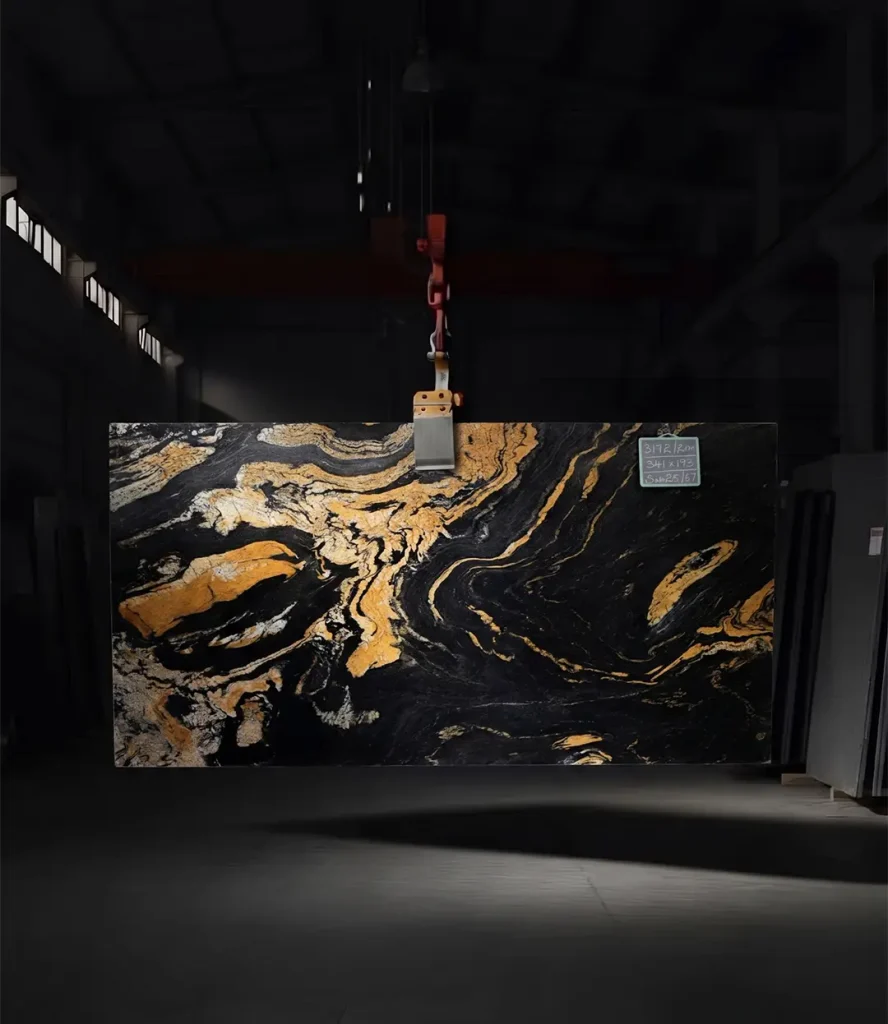
Black Galaxy Granite is a useful example. Quarried near Ongole in Andhra Pradesh, it’s one of the rarest granite varieties in the world — prized for its dark, star-flecked surface and rated highly for both durability and scratch resistance. Its origin is inseparable from its premium status: the same visual effect can’t be reproduced from a different quarry.
How Granite Forms — and Why Origin Matters
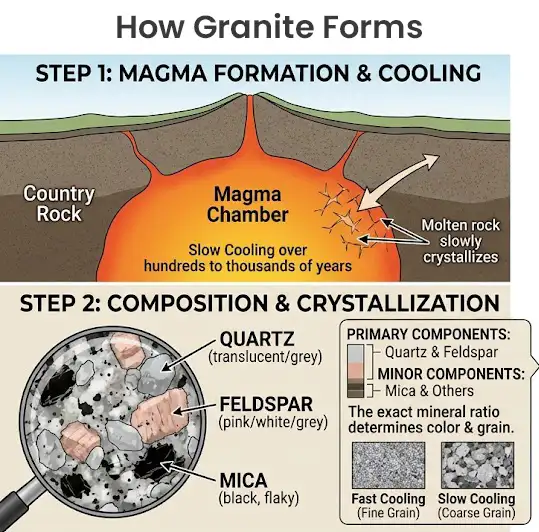
Granite is an igneous rock that forms over hundreds to thousands of years inside underground magma chambers, as molten rock slowly crystallizes. It’s composed primarily of quartz and feldspar, with smaller amounts of mica and other minerals — the exact ratio is what gives each variety its distinct color and grain.
Once quarried, granite blocks are sent to a processing unit, cut into slabs of different sizes, and then shipped to fabricators worldwide. The fabricators then process it further & finish it into countertops, tiles, cladding panels, etc. India remains one of the world’s most significant granite sourcing hubs, with major quarrying regions in Rajasthan, Andhra Pradesh, Karnataka, and Tamil Nadu, each associated with distinct color families & mineral profiles
How Granite Is Graded
Unlike many industrial materials, granite has no universal, standardized grading system — grade is typically assigned by the retailer or exporter based on mineral richness, color variation, and pattern consistency. Broadly, granite falls into three tiers:
| Grade | Characteristics | Common Varieties (India) |
| Commercial/ builder-grad e | Fewer mineral variations, more uniform and repetitive pattern, lower cost | Rosy Pink, Absolute Black, P White, Steel Grey |
| Mid-grade | More natural veining and color depth, moderate rarity | Varies by quarry batch |
| High-quality/ premium | Rare mineral composition, striking or one-of-a-kind patterns, larger slab availability | Black Galaxy, Colonial White |
Buyers should ask suppliers which tier a batch falls into rather than assuming a low price signals low quality across the board — some commercial-grade stones are still highly durable, just less visually distinctive.
What to Check Before Importing Granite
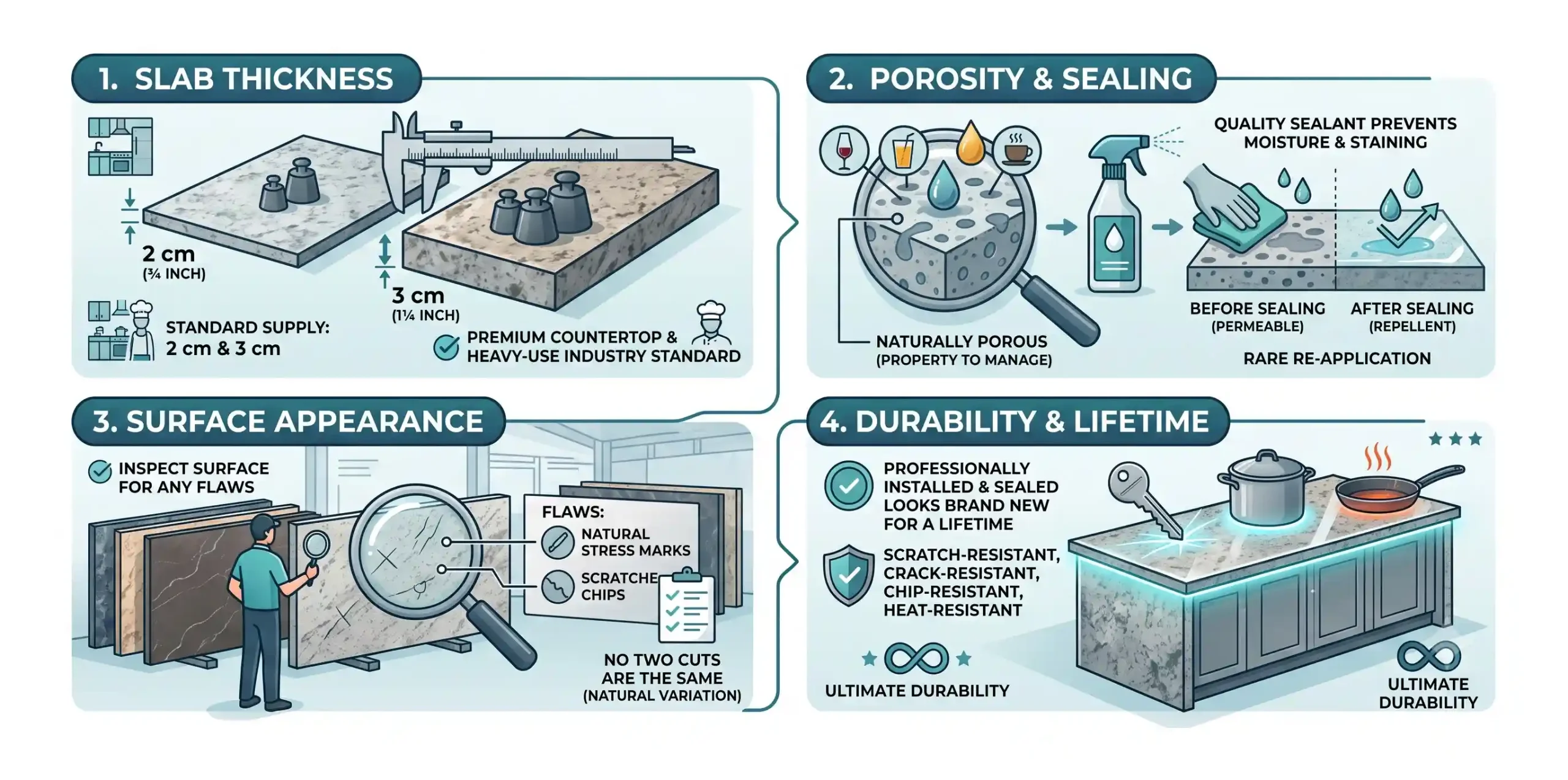
- Slab Thickness: Slab thickness directly affects durability & load-bearing capacity. Standard granite supply comes in two thicknesses: 2 cm (¾ inch) and 3 cm (1¼ inch). The thicker 3 cm slab is the industry standard for premium countertop and heavy-use applications, since it resists cracking and chipping better under daily stress.
- Porosity: Granite is naturally porous, meaning liquids can penetrate and stain the surface if left untreated. This isn’t a defect — it’s a property to manage. A quality sealant applied at installation (and reapplied only rarely afterward) prevents moisture and staining issues for the life of the slab.
- Surface Appearance: Before purchasing granite, inspect the surface for any flaws such as natural stress marks, scratches, or chips. When looking at samples, keep in mind that no two cuts of natural stone are the same.
- Durability: Granite is a scratch-resistant, crack-resistant, and chip-resistant material. Granite is also one of the most heat-resistant materials available for countertops. Under typical usage and care, a professionally installed and sealed granite countertop will look brand new for a lifetime. Re-sealing granite is rarely necessary.
Frequently Asked Questions
Premium granite is defined by rare or unique surface patterns, consistent color tone across a batch, availability in large slab sizes, and a quarry origin known for distinctive mineral composition — not by price alone.
Standard granite slabs come in 2 cm (¾ inch) or 3 cm (1¼ inch) thickness. 3 cm is the industry standard for premium, heavy-use applications like countertops
Yes, granite is naturally porous, but this is easily managed with a quality sealant applied at installation. It doesn’t affect the stone’s long-term durability.
Commercial-grade granite has fewer mineral and color variations and a more repetitive pattern. Premium-grade granite features rarer mineral composition, more striking or one-of-a-kind patterns, and is often available in large slab sizes.
India is one of the world’s leading sources of premium granite, with major quarrying regions in Andhra Pradesh, Rajasthan, Karnataka, and Tamil Nadu — each known for distinct color families like Black Galaxy, Colonial White, and Steel Grey.