
Impala Black Granite is a material that has been moving through the Canadian stone market for a long time. It is not new in the market, and it is not promoted heavily, but it keeps coming back because it works. Contractors, fabricators, and public projects use it when they want a dark stone that doesn’t cause problems later.
Most Canadian buyers looking at Impala Black are not doing it for visual impact. They are doing it because it is stable, available in volume, and performs well in colder conditions.
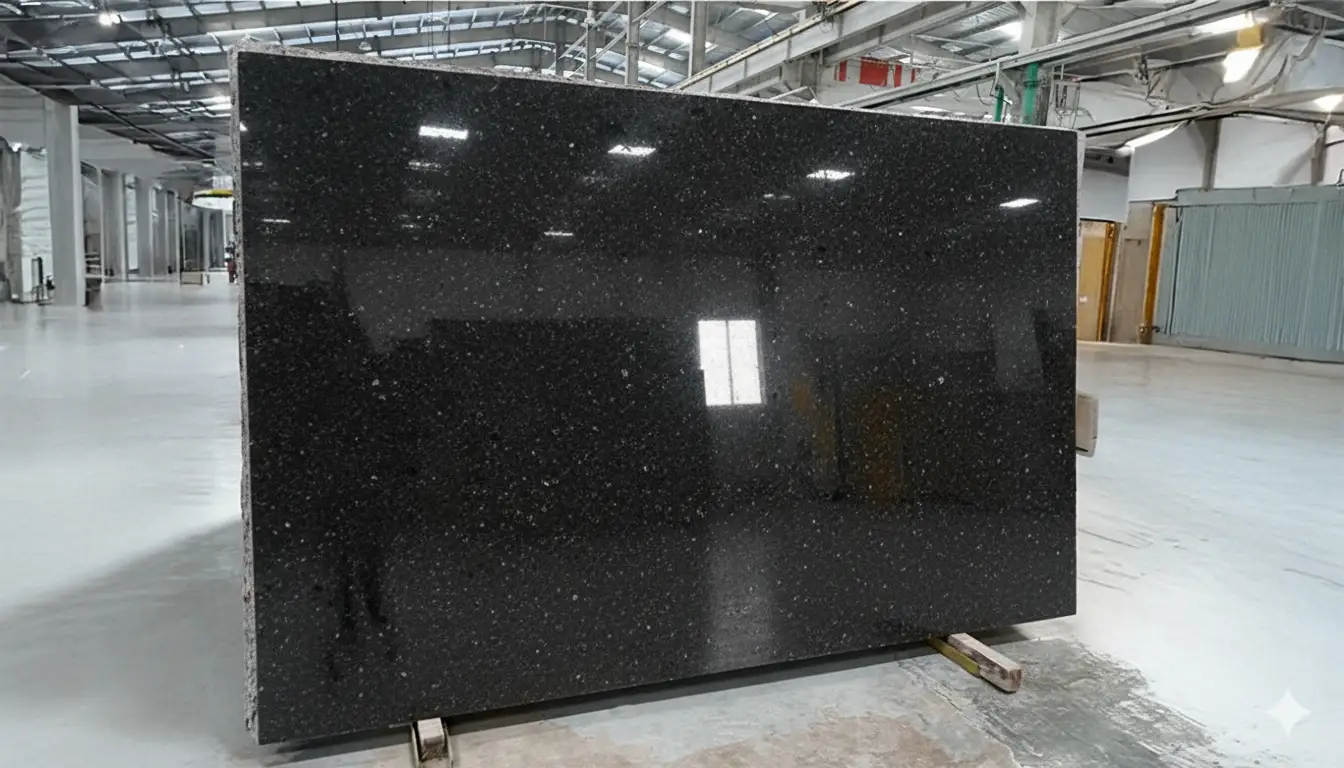
Understanding Impala Black Granite
Impala Black is a fine-grain granite. The base colour is dark grey rather than jet black. In large areas, it looks more natural and less flat than absolute black. This matters when it is used on floors, exterior paving, or large countertops.
From a handling point of view:
– It cuts cleanly
– It does not chip easily
– It takes polish without excessive resin
– Flamed and honed finishes hold up well outside
This is why it shows up in projects that have nothing to do with design trends.
Why India Is Still a Major Source
Most Impala Black sold internationally is quarried and processed in South India. These quarries have been active for many years. That matters because block quality is predictable and processors know what to expect.
– Indian manufacturers usually offer:
– Gangsaw slabs for large fabrication programs
– Cutter slabs for standardized sizes
Tiles and cut pieces for exterior use
Export-focused companies like Regatta Granites India operate in this space. They are not selling one container here and there. Their business is based on repeat supply to overseas buyers who already know what they want.
Canada’s Granite Imports – Actual Numbers
Canada imports granite mainly in cut or sawn form rather than rough blocks. According to World Bank WITS data, India already supplies a steady volume into this category.
Cut Granite Imports into Canada (HS 251612)
|
Country |
Import Value (USD) |
Notes |
|
United States |
~4.5 million |
Largest supplier |
|
South Africa |
~1.5 million |
Strong in dark granites |
|
India |
~0.24 million |
Consistent volume |
|
Italy |
~0.29 million |
Higher price segment |
|
China |
~0.28 million |
Comparable volume |
Source: World Bank WITS – HS Code 251612
This shows that Indian granite is already part of the Canadian supply chain. It is not experimental or untested
HS Codes and Clearance Issues
Most Impala Black shipments enter under:
HS 251612 – granite, merely cut or sawn
Some shipments may be classified under HS 680223 if additional processing is declared.
This is where mistakes happen. A slab with edge work or surface treatment can be classified differently. Canadian customs will not correct this for you. Importers should confirm classification with their broker before the container leaves India.
Shipping and Logistics (What Usually Causes Trouble)
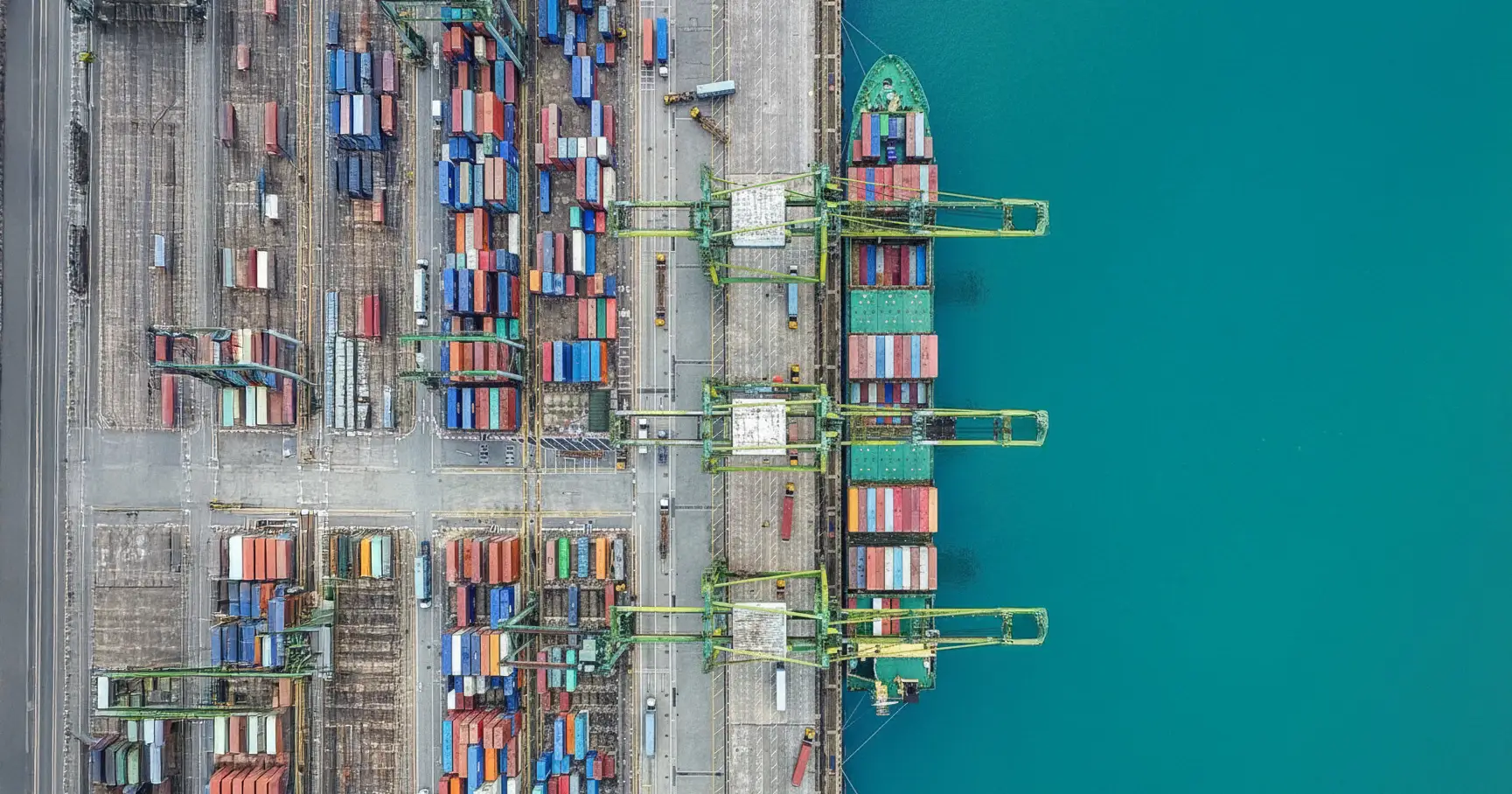
Shipping from India to Canada is straightforward, but it takes time. Most issues don’t happen at sea — they happen before the container ever leaves.
Problems usually come from:
– Packing that looks fine on paper but fails in transit
– Documents that don’t line up exactly
– Inland freight costs inside Canada that were underestimated
Ocean freight often looks expensive until the container has to move inland. Many first-time importers only realise this once the shipment lands.
Most experienced buyers ask for:
– Packing photos during loading
– How bundles are arranged inside the container
– Confirmation that the wood used is treated
– Final invoice and packing list checks before sailing
Suppliers who ship to Canada regularly are used to this. Others usually learn after a few costly shipments.
Pricing Reality
FOB price on its own does not mean much. The landed cost is what matters.
A slab that costs a little more but arrives intact and clears customs without delay is usually cheaper than a discounted shipment that ends up sitting at port.
Canadian buyers who import regularly tend to focus on:
– Consistency from one container to the next
– Damage levels on arrival
– Accuracy of documentation
This is where long-established exporters, including Regatta Granites India, generally perform better — simply because they have done these shipments many times before.
Closing Notes
Impala Black Granite stays in the Canadian market because it is predictable. It does not generate excitement, but it rarely creates problems. Importing it from India makes sense when the goal is stable supply, not short-term margins.
For buyers, the decision usually comes down to the supplier’s understanding of export discipline rather than the stone itself.